


A few years ago, I would have expected Climate Week to be all about cutting emissions. This year, AI and energy dominated the conversation.
But alongside AI, another theme kept coming up: resilience. Over and over, we heard the same question: how do we protect people from the climate risks already at the door?
Our team went to New York to meet the founders, investors, insurers, and public leaders working on that question. Here are the conversations that stayed with us.
Insurance, climate risk, and technology
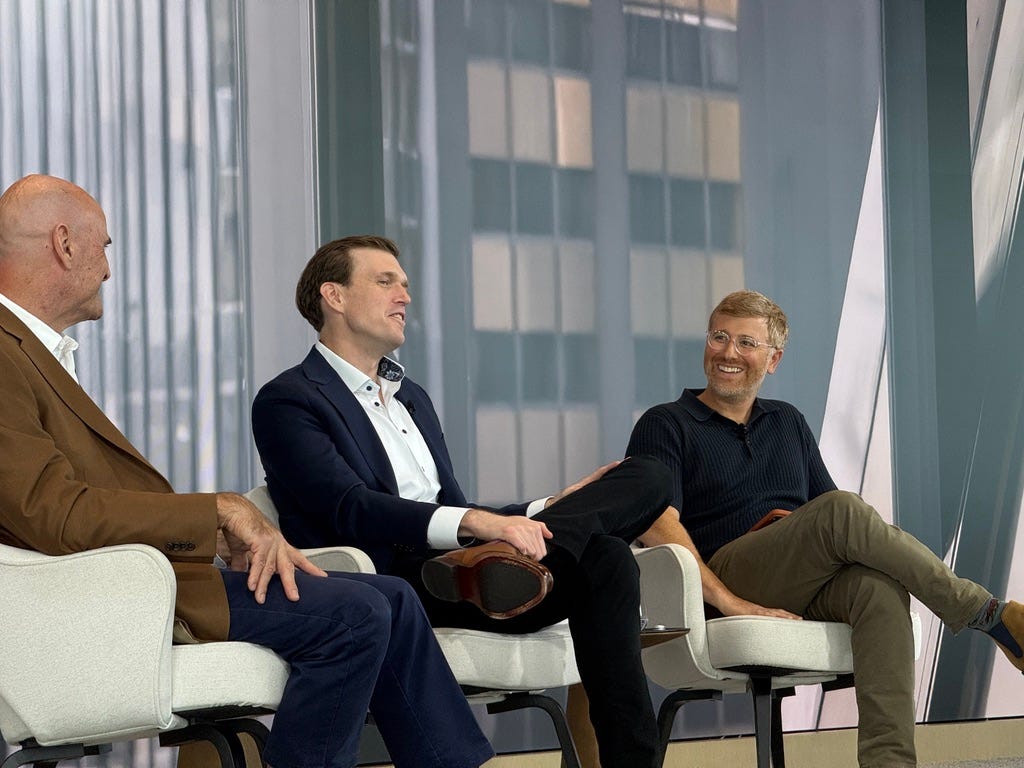
At a JPMorgan event, Convective’s Bill Clerico moderated a conversation with Dan Preston, co-founder and CEO of Stand, and Peter Hancock, former CEO of AIG. Bill asked what a resilient future would look like. Dan’s answer: make it an economic win to understand and reduce climate risk. Peter emphasized finding common ground between business and government, because this problem has no quick fix.
We also caught up with Gridware and Rainmaker. On a panel, Gridware founder Tim Barat said, “You have to go above and beyond to make technology work where people are at.” He was talking about line workers, and that point stuck with us. Better incentives can get resilience technology into the field, but it only helps if the people there can use it.
Where climate investing is heading
On Thursday, Bill sat down with Chris Sacca and Caie Kelley of Lowercarbon Capital for a Disasterproof episode that will be released in October. The conversation covered where climate investment is headed, why backing climate technology is a business opportunity as well as a way to do good, and what distinguishes resilience from other areas of climate tech. It was an episode that truly summed up the energy and leadership at Climate Week.
Extreme heat and the next resilience challenges
Earlier this month, Convective published a Request for Startups that included a call for new solutions to extreme heat. At Climate Week, Kat Manalac joined a panel on the heat innovation ecosystem. Seeing a full discussion devoted to the people building and funding heat solutions made that call feel especially timely.
Resilient cities in action
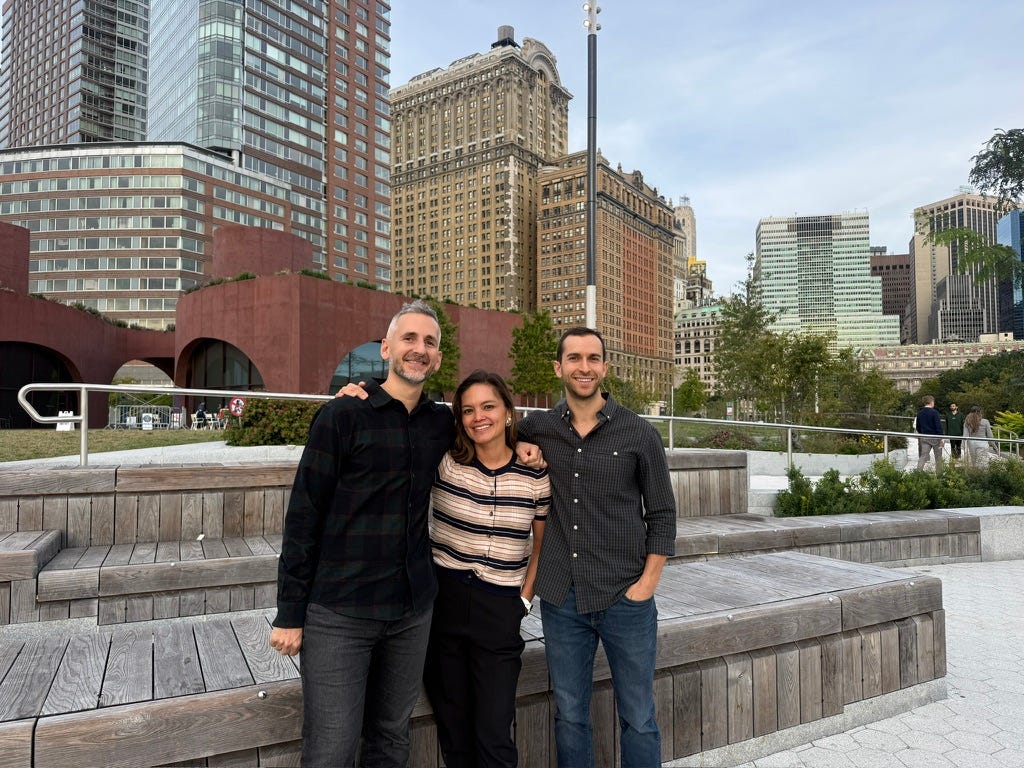
On Thursday, a flood advisory went out for the south shore of Long Island. That same day, our team visited Battery Park City to see how a city is preparing for coastal flooding.
After Hurricane Sandy, the Battery Park City Authority rebuilt Wagner Park at a higher elevation and incorporated flood barriers into the waterfront. What looks like a public park is also part of a system designed to protect the surrounding neighborhood. It’s a tangible example of investing in protection before the next disaster while making a place people visit every day safer.
Convective’s Mike Trapanese said it best:
“There is this general feeling that the world is getting scarier and more volatile. How can you set yourself up so you can thrive despite these challenges that are inevitably going to happen in the world?”